
ADVERTISEMENT
Peer to Peer Lending Platforms Review explores how this modern approach to borrowing and investing is reshaping personal finance. By connecting people directly online, it removes the need for banks, offering borrowers lower rates and giving lenders better returns on their money.
These platforms make the process simple and transparent. Whether you’re looking to fund your goals or earn passive income, peer-to-peer lending provides opportunities for both sides. It’s finance made accessible, efficient, and community-driven.
ADVERTISEMENT
If you’ve ever wondered how ordinary people are earning through lending—or how to find fair loans without traditional banks—keep reading to discover the top peer-to-peer platforms and what makes each one stand out.
Understanding Peer to Peer Lending
Peer to peer lending is a way for people to lend and borrow money directly from each other, without going through banks. This method connects individuals online, allowing them to find loans or funding easily.
ADVERTISEMENT
Both borrowers and lenders can benefit. Borrowers might get lower interest rates compared to traditional loans, while lenders can enjoy higher returns on their investments. It’s a win-win situation!
This system works by using a platform that ensures safe and secure transactions. Users can compare options and choose the best fit for their needs, making peer to peer lending a popular choice today.
Top Peer to Peer Lending Platforms
Several peer to peer lending platforms stand out in the market today. Prosper is one of the oldest platforms, allowing borrowers to obtain loans for various needs. Lenders get to choose their investments based on risk levels and potential returns.
LendingClub is another popular option. It not only offers personal loans but also business loans. With a large user base, it helps match borrowers with suitable lenders efficiently.
For those looking for a more social experience, Upstart uses advanced data analytics to determine creditworthiness. This platform helps young borrowers who may lack a strong credit history to secure loans easily.
How Peer to Peer Lending Works
Peer to peer lending works by connecting borrowers and lenders through online platforms. When a borrower needs a loan, they submit an application outlining their needs and financial situation. This information helps lenders decide whether to fund the loan.
Once a loan is approved, the platform puts the borrower in touch with multiple lenders. Each lender can choose how much they want to contribute, allowing many people to fund a single loan. This creates a community-based lending experience.
After receiving the loan, borrowers make monthly payments to the platform. These payments include both the principal and interest. The platform then distributes the payments to the lenders based on their contributions, making it a straightforward process for all involved.
Advantages of Peer to Peer Lending

One of the main advantages of peer to peer lending is lower interest rates. Since there are no banks involved, the process cuts out many fees, allowing borrowers to save money. Lenders can also earn more compared to traditional savings accounts.
Another benefit is the quick and easy application process. Borrowers can apply online from the comfort of their homes. Many platforms give immediate decisions, making it more convenient than traditional lending.
Finally, peer to peer lending promotes community support. It allows individuals to invest directly in others, helping someone achieve their goals. This personal connection can make lending feel more rewarding for everyone involved.
Risks Involved in Peer to Peer Lending
While peer to peer lending offers many benefits, it also carries risks. One major risk is the possibility of borrower default. If a borrower fails to make payments, lenders may lose their invested money without any guarantee of repayment.
Another concern is the lack of regulation in the peer to peer lending space. Unlike banks, these platforms may not provide the same level of protection for investors. This means that risks can be higher, and it is essential for lenders to research borrowers thoroughly.
Lastly, economic changes can impact peer to peer lending. During tough financial times, borrowers may struggle more to repay loans, which can affect lenders’ returns. Understanding these risks helps lenders make informed choices about their investments.
Comparison of Leading Platforms
When comparing leading peer to peer lending platforms, Prosper and LendingClub emerge as strong contenders. Prosper offers a simple application process and targets personal loans, making it easy for borrowers to get funds quickly. On the other hand, LendingClub provides a broader range of loans, including personal, small business, and auto loans.
Upstart stands out by using artificial intelligence to evaluate borrowers’ creditworthiness. This means they may approve loans for individuals with limited credit history. Although it has higher interest rates, it offers more flexible options for younger borrowers.
Funding Circle is another top platform focused specifically on small business loans. It connects small businesses with investors who want to support local growth. While it may serve a different market, it highlights how diverse peer to peer lending can be across platforms.
User Experiences and Reviews
User experiences with peer to peer lending platforms can vary widely. Many borrowers appreciate the fast application process, noting that platforms like LendingClub allow them to access funds quickly. This speed often helps them manage unexpected expenses more effectively.
On the lender side, users often enjoy the potential for higher returns compared to traditional investments. They value platforms such as Prosper for the ability to choose which loans to fund, creating a personal connection to their investments.
However, some users express concerns about risks, particularly the possibility of borrower defaults. Reviews highlight the importance of thorough research before investing, as platforms like Upstart may have mixed reviews depending on individual experiences.
Tips for Choosing a Platform
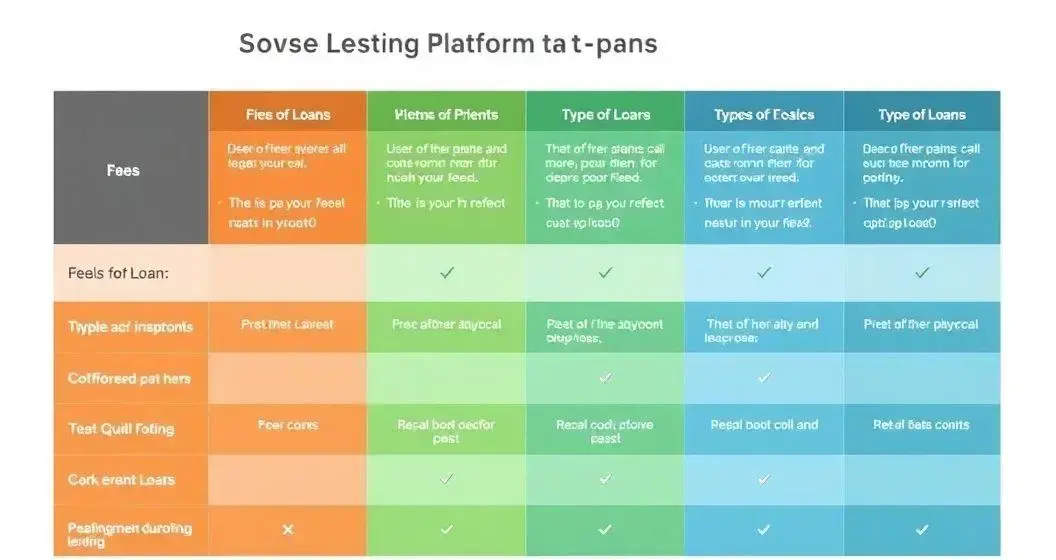
When choosing a peer to peer lending platform, start by considering the fees involved. Different platforms have various fee structures, which can impact your overall returns. Researching these fees will help you make an informed decision.
Next, look at the platform’s user reviews to understand other people’s experiences. Positive feedback on platforms like Prosper can indicate reliability, while negative reviews may reveal potential issues.
Finally, consider the types of loans offered and whether they fit your needs. Some platforms specialize in personal loans, while others focus on business loans. Make sure the platform you choose aligns with what you are looking for to ensure a better lending experience.
Peer to peer lending is an exciting way for people to lend and borrow money directly from each other. This system connects individuals through online platforms, allowing borrowers to find loans without involving banks. It’s becoming a popular alternative for both borrowers and lenders.
One of the key benefits of peer to peer lending is the potential for lower interest rates. Borrowers often find better deals than they would with traditional loans, while lenders can earn attractive returns on their investments. This mutual relationship creates valuable opportunities for both parties.
However, it’s important to remember that peer to peer lending comes with some risks. Borrowers may default on loans, affecting lenders’ earnings. Being aware of these risks and doing thorough research before participating is crucial for a successful lending experience.